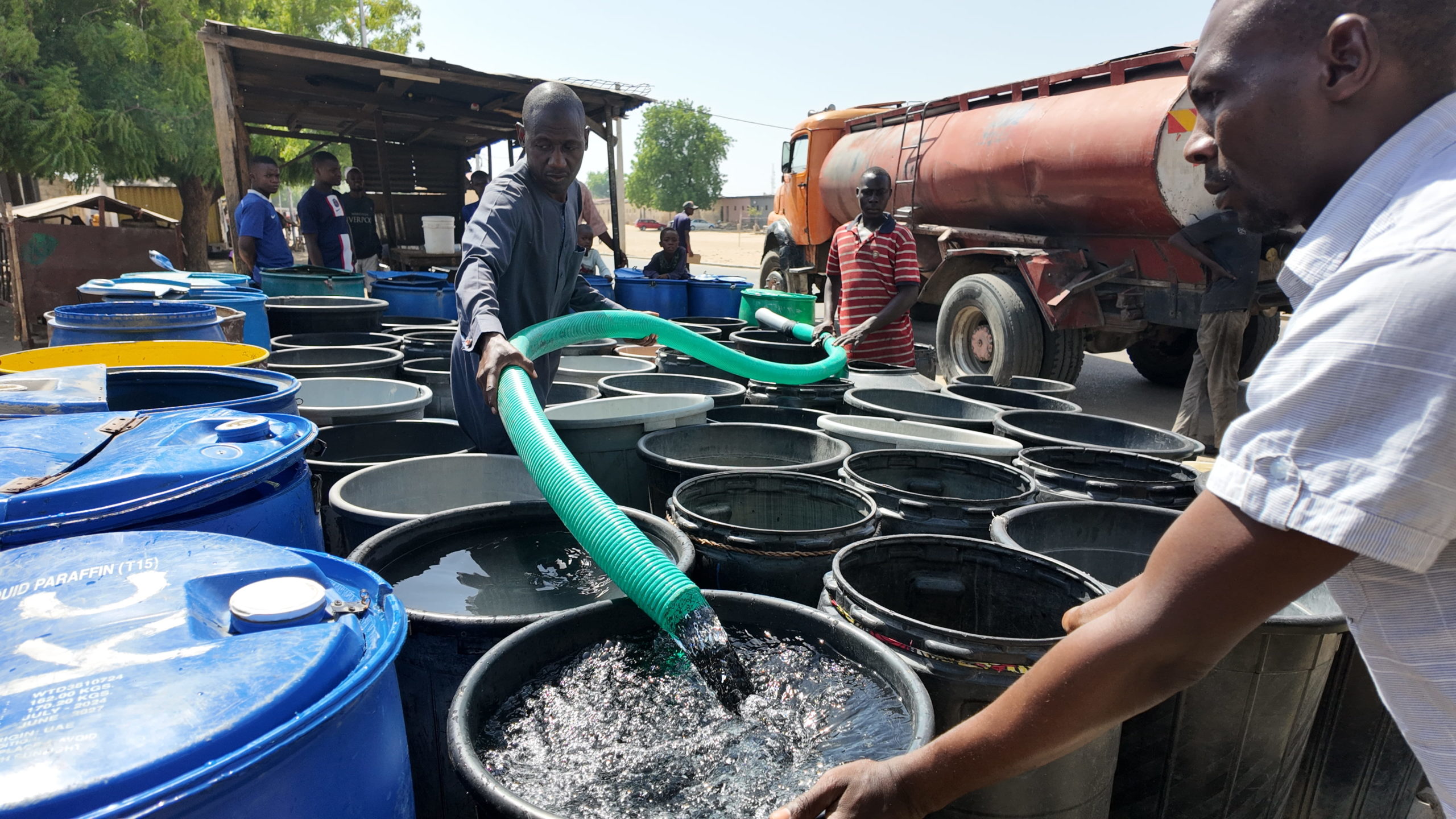
The cuts to humanitarian aid by key donor countries are having devastating impacts on the lives of millions of the most destitute people in the world. The cuts are also having a profound, structural, and long-lasting impact on the organisations that provide aid. The operations, services, and response capacities of the global humanitarian system are being seriously weakened, leading to dramatic consequences for those people who rely on this system.
International funding for humanitarian assistance – a key solidarity and foreign policy instrument of our times – had been steadily rising over the past decade in response to mounting needs. It reached an all-time high of $43 billion in 2022, when response to the COVID19 epidemic and the new crisis in Ukraine triggered extraordinary donations. Aid flows started to decline in 2023, with Germany, the US, the UK and several other Western countries leading the way, with some noticeable exceptions (Ireland, for example). As of 2025, global funding had dropped by approximately 35%, reaching the lowest levels in a decade, with further declines expected in 2026. Funding from private sector and philanthropies also contracted significantly during the period.
The drastic, unplanned and uncoordinated cuts to humanitarian aid, conducted in stark contrast to the commitments made by states in the Good Humanitarian Donorship initiative, adopted over two decades ago , have exposed the fragility of an international aid system that relied on voluntary donations of critically needed resources to ensure the lifeline of millions of vulnerable people.
This contraction in funding takes place at a time when humanitarian needs continue to rise due to the combined effects of armed conflicts, socio-economic downturns and climate change. Initial estimates indicate that US cuts alone, including the abrupt shutting down of USAID, will cause up to 22 million additional and preventable deaths by 2030.
How has the international humanitarian system responded to this unprecedented funding crisis? Instinctively, most international and national organisations moved into an “emergency management and survival mode,” adopting inward looking response measures principally aimed at cost-containment. This has included the hyper-prioritization of response with a focus exclusively on life-saving interventions, slashing internal workforces by up to 40%, implementing a drastic reduction in capacities, services, geographical presence and outreach, and dropping programmatic links and synergies, notably with agencies focused on peace and development
Humanitarian goals and ambition levels have collapsed. In 2026 only 87 million vulnerable people out of the over 239 million people identified as in need will be “prioritized” and reached by international aid, if adequate resources come in. This will leave largely unattended the assistance and protection needs of millions of women, men and children living in fragile conditions. It is an announced humanitarian catastrophe in the making.
Deep cuts have also impacted system-wide emergency preparedness capacities at a time when the world is entering a hyper-complex poly-crisis, driven by overlapping local and global factors, including escalating conflicts and violence, the onset of a severe El Niño, the wide socio-economic effects of the Hormuz crisis and war in Ukraine, and climate change. The value of investing in preparedness is well documented with evidence of significant return on investment in terms of future response costs, community empowerment, local institution building and shortened emergency response times. Slashing global capacities to anticipate, prepare for, and mitigate the effects of preventable crises is irresponsible and potentially catastrophic for the lives and livelihoods of millions of people.
What is most striking is that the global humanitarian aid system has not yet been able to move beyond its own initial survival mode response, attempting to restore confidence and elaborate a vision and narrative for the future. Within the humanitarian space the concerns the impact of defunding have been widespread, however leaders from the donor community, international organizations, national entities and the UN system have thus far failed to develop a common, reality-facing strategy in relation to the tragedy of the hundreds of millions of people who will not be reached by international aid and will be left behind. They have not been able to get the message about these dramatic developments across in a coherent manner. Lack of public awareness of the impending humanitarian crisis may help to explain why politicians and decision makers in donor capitals are not under more pressure to respond. This is why, for example, governments can afford a war in Iran costing well over $1 billion per day, when a single month without such war would help cover the cost of nearly the entire humanitarian appeal for 2026.
Now is the time to confront this reality as part of our collective responsibility towards those most in need. The current crisis provides us with the opportunity to move forward with a long-awaited reform of the global aid system in a world undergoing important transformations. Leadership and vision are urgently needed. It is hoped that this reform and the debate about the future of humanitarian principles and action will be a priority on the agenda of the new UN Secretary General. Underpinning all this, a far-reaching reflection is required that brings together local community groups, civil society organizations, national governments and private constituencies, humanitarian actors and organizations, UN entities and governing bodies, and international donors, to agree on the meaning of human solidarity, our common ethical obligations, the future of humanitarian action and the future of our civilization.
About the authors:
Carlo Scaramella, Independent Researcher and Advisor, former UN World Food Programme Senior Official.
Amir Mahmoud Abdulla, Former Deputy Executive Director, UN World Food Programme & Former UN Coordinator Black Sea Grain Initiative.
Martin Barber, Secretary of United Against Inhumanity (UAI) and former Director of the UN Mine Action Programme.
The opinions expressed in this blog are those of the author of the presentation and do not necessarily represent the views of United Against Inhumanity (UAI).